
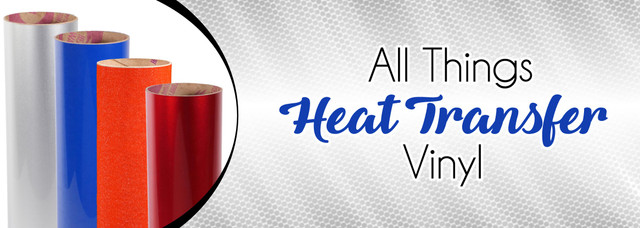
Heat Transfer Vinyl (HTV) is a popular and versatile material used in crafting, apparel decorating, and DIY projects. If you're new to the world of crafting or just curious about HTV, this blog post will guide you through the basics so you can get started creating awesome designs with ease!
What Is Heat Transfer Vinyl (HTV)?
HTV is a special type of vinyl designed to be applied to fabric and other materials using heat and pressure. It's available in various colors, finishes, and textures, such as matte, glossy, glitter, and flocked. The magic behind HTV is its adhesive backing that activates when heat is applied, bonding the vinyl securely to the fabric or surface.
Key Materials You'll Need for HTV Projects
To get started with HTV, you'll need a few essential tools and materials:
-
HTV Sheets or Rolls: These are available in various colors, textures, and sizes. You can purchase HTV in sheets or rolls, depending on the size of your project.
-
Cutting Machine (Optional but Recommended): A Cricut, Silhouette, or another cutting machine is a must-have for intricate designs, though you can cut HTV by hand for simpler projects.
-
Weeding Tools: After cutting your design, you'll need to remove the excess vinyl. Weeding tools like a hook or tweezers make this process much easier.
-
Heat Press or Iron: A heat press is the ideal tool for applying HTV, as it ensures even heat distribution. However, an iron can work in a pinch if you don’t have a heat press.
-
Teflon Sheet or Parchment Paper: These protect your design from direct heat and prevent it from sticking to the press.
How Does HTV Work?
The process of working with HTV typically follows these steps:
-
Designing: Start by creating or selecting a design. If you're using a cutting machine, you can upload your design into the machine's software, making sure it's mirrored (flipped) horizontally. This step is important for text designs to ensure they appear correctly when transferred.
-
Cutting: Load your HTV into your cutting machine and cut the design. Be sure to place the vinyl with the shiny side (the carrier sheet) facing up when cutting.
-
Weeding: After cutting, you'll need to remove the excess vinyl around your design. This process is called "weeding" and can be done with a weeding tool or your fingers. Be careful not to remove parts of the design that should remain.
-
Heat Application: Once your design is weeded, it’s time to apply the vinyl to your fabric. Place the vinyl on the fabric with the carrier sheet on top. Using a heat press or iron, apply heat for the recommended time and temperature (usually around 305°F for 10-15 seconds). Be sure to follow the manufacturer's guidelines, as different HTV types may have varying temperature requirements.
-
Peeling: After applying heat, allow the design to cool for a few seconds before peeling off the carrier sheet. Some HTV types are "hot peel," meaning you can peel the carrier sheet off immediately, while others are "cold peel," meaning you should wait for it to cool down before peeling.
Tips for Successful HTV Projects
-
Choose the Right HTV for Your Fabric: HTV works best on cotton, polyester, and blends. Be mindful of the material you're working with, as some fabrics (like nylon or heavily textured fabrics) may not bond well with HTV.
-
Test Your Settings: Before starting on your final project, it's always a good idea to do a test cut to ensure your cutting machine is properly set and that the HTV is the right thickness.
-
Preheat Your Fabric: Before applying HTV, preheat your fabric for a few seconds to remove any moisture and wrinkles. This helps the HTV adhere more effectively.
-
Use a Heat Press for Best Results: While an iron can work, a heat press ensures even pressure and consistent results, especially for larger or more intricate designs.
-
Layering HTV: HTV can be layered to create multi-colored designs, but it’s important to follow the correct order and heat settings to avoid damaging the layers.
Types of HTV
There are different types of HTV to choose from, depending on the look and feel you're aiming for:
-
Standard HTV: The most common type, available in many colors and finishes.
-
Glitter HTV: Adds a sparkly finish to your designs.
-
Flock HTV: Has a velvet-like texture and is often used for a more sophisticated, textured look.
-
Reflective HTV: Provides high visibility in low light, often used for sports jerseys and safety gear.
-
Stretch HTV: Designed for fabric that stretches (like jerseys and workout gear).
Each type of HTV may require slightly different heat and pressure settings, so always check the instructions for the best results!
Common Mistakes to Avoid
-
Not Preheating the Fabric: Skipping this step can lead to poor adhesion of the vinyl.
-
Using Too Much Pressure: Pressing too hard can flatten the vinyl and affect its texture and appearance.
-
Not Mirroring Your Design: This is crucial for text-based designs; if you don’t mirror your design, it will be backward when you apply it.
Conclusion
Heat Transfer Vinyl is an incredibly versatile material that opens up endless creative possibilities for personalizing clothes, accessories, and other fabric-based projects. With the right tools and a bit of practice, you can create professional-looking designs in no time!
Whether you're customizing a t-shirt, creating a one-of-a-kind gift, or exploring new DIY projects, HTV is an awesome medium to get your creative ideas onto fabric. Now that you have a basic understanding of HTV, it's time to start experimenting and bringing your designs to life!